2G Sunset
@Verisure
My contributions as the Design Leader
I convinced senior leadership to reframe the project as a strategic, end-to-end experience to ensure the cost saving strategy was a success.
I coached, mentored, and enabled the cross functional team to execute the work to the highest quality. I regularly opened doors and removed hurdles (ex. Secure funds for research, protect their time among competing priorities, etc.) to enable their best work and great outcomes.
How we went from 40% to 94% completion rate of DIY maintenance process and saved €45M
The Challenge
When the 2G/3G network sunset was going to make devices in over 750,000 homes obsolete, senior leadership's initial cost-saving DIY replacement solution was thought to be purely technical - enable the customer app to have the features usually reserved for technicians. This approach, however, carried significant business risks. I argued that a poor user experience would erase any cost saving of the DIY approach.
I leveraged existing user data and qualitative insights on other self-service experiences (ex. Battery Replacement) to demonstrate the likelihood of a low completion rate, low customer satisfaction, brand loyalty erosion, and attrition. I successfully convinced senior leadership to reframe the project as a strategic, end-to-end experience. I positioned the Design team as uniquely qualified to lead this initiative to success.
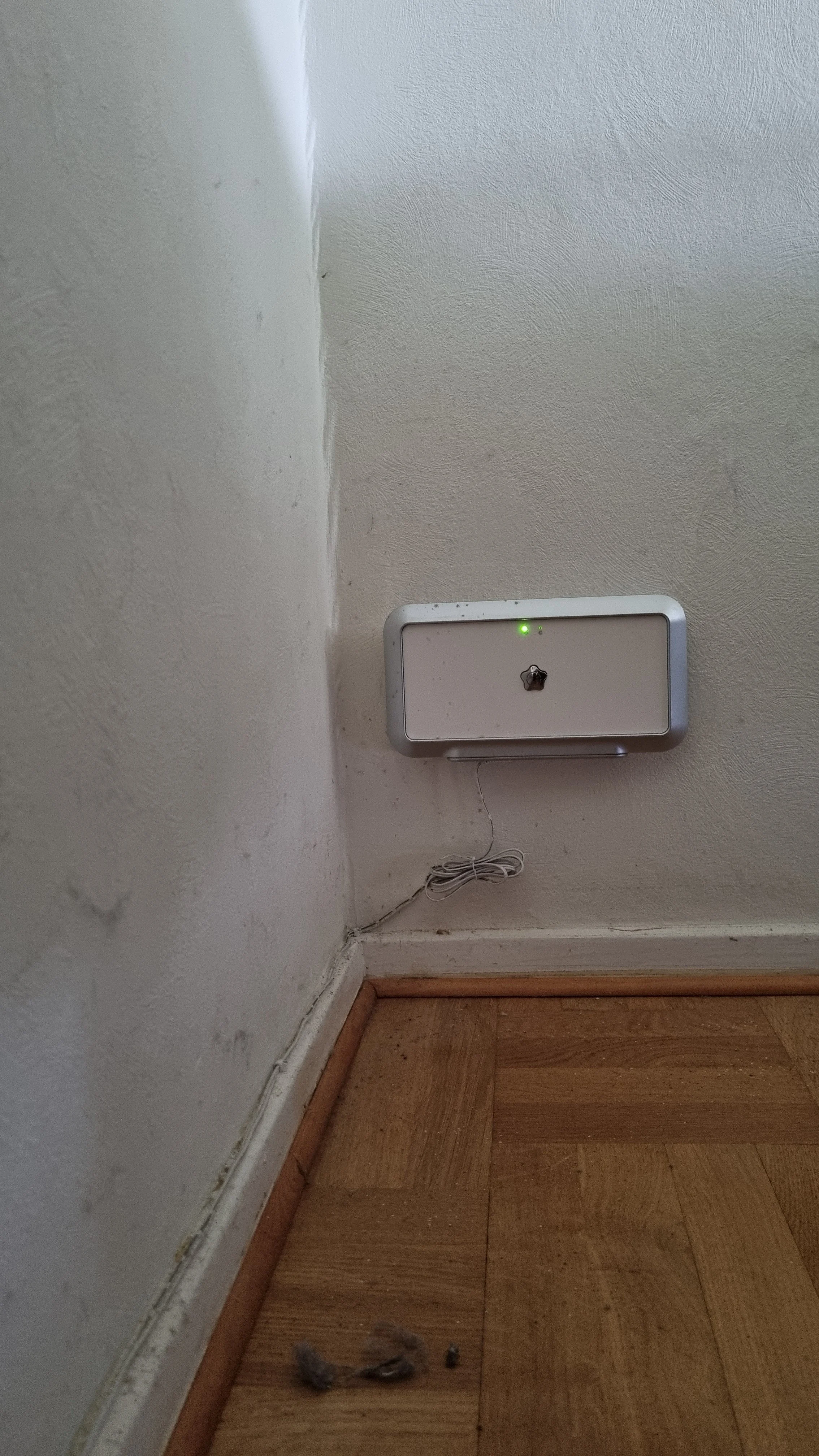
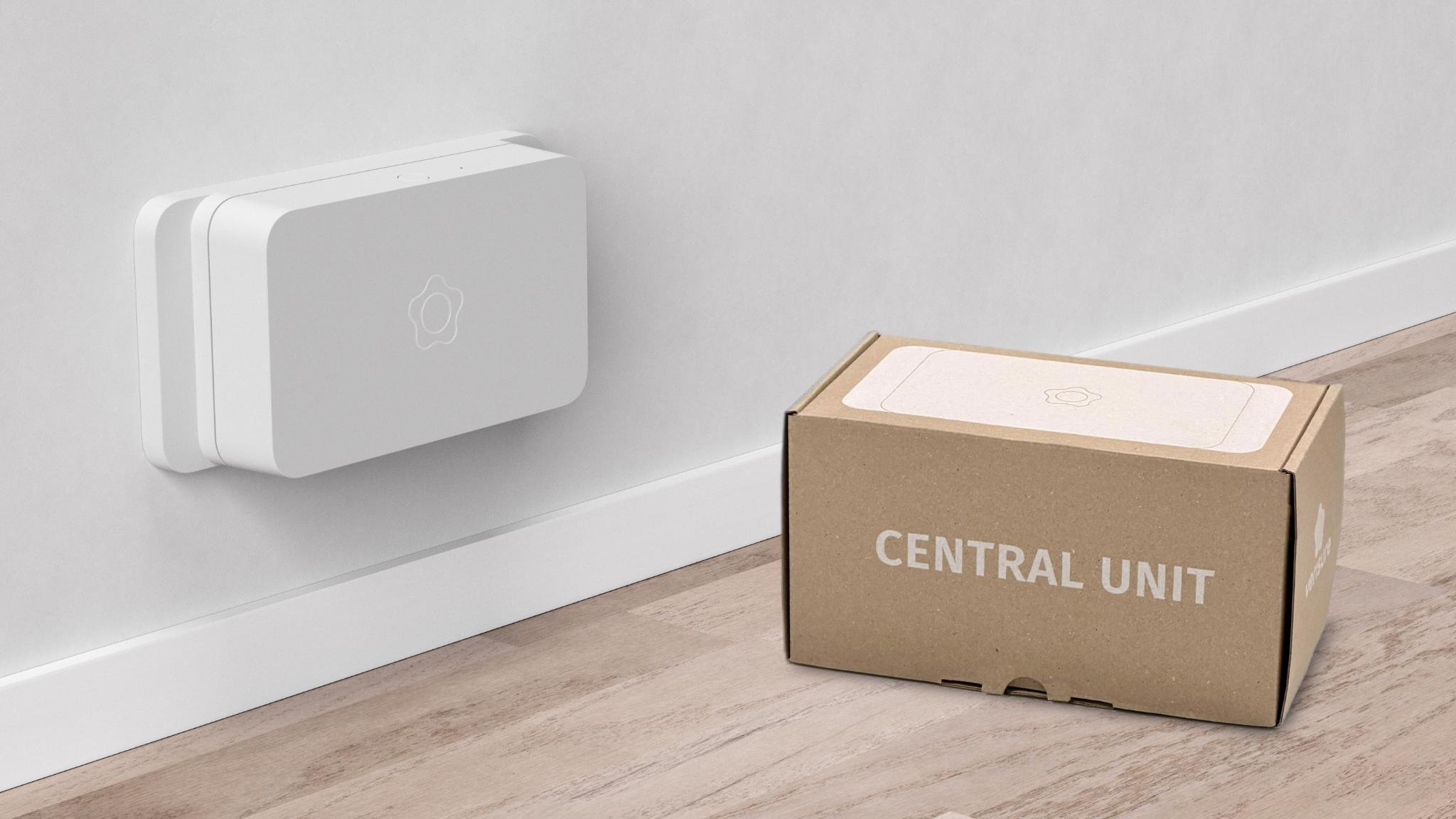
Over 700K homes needed to replace these Central Units before the 2G network shut down.
What We Did
I led a cross-functional initiative that redefined how we approach self-service at a business level. My key contributions included:
1. Established a shared vision and metrics
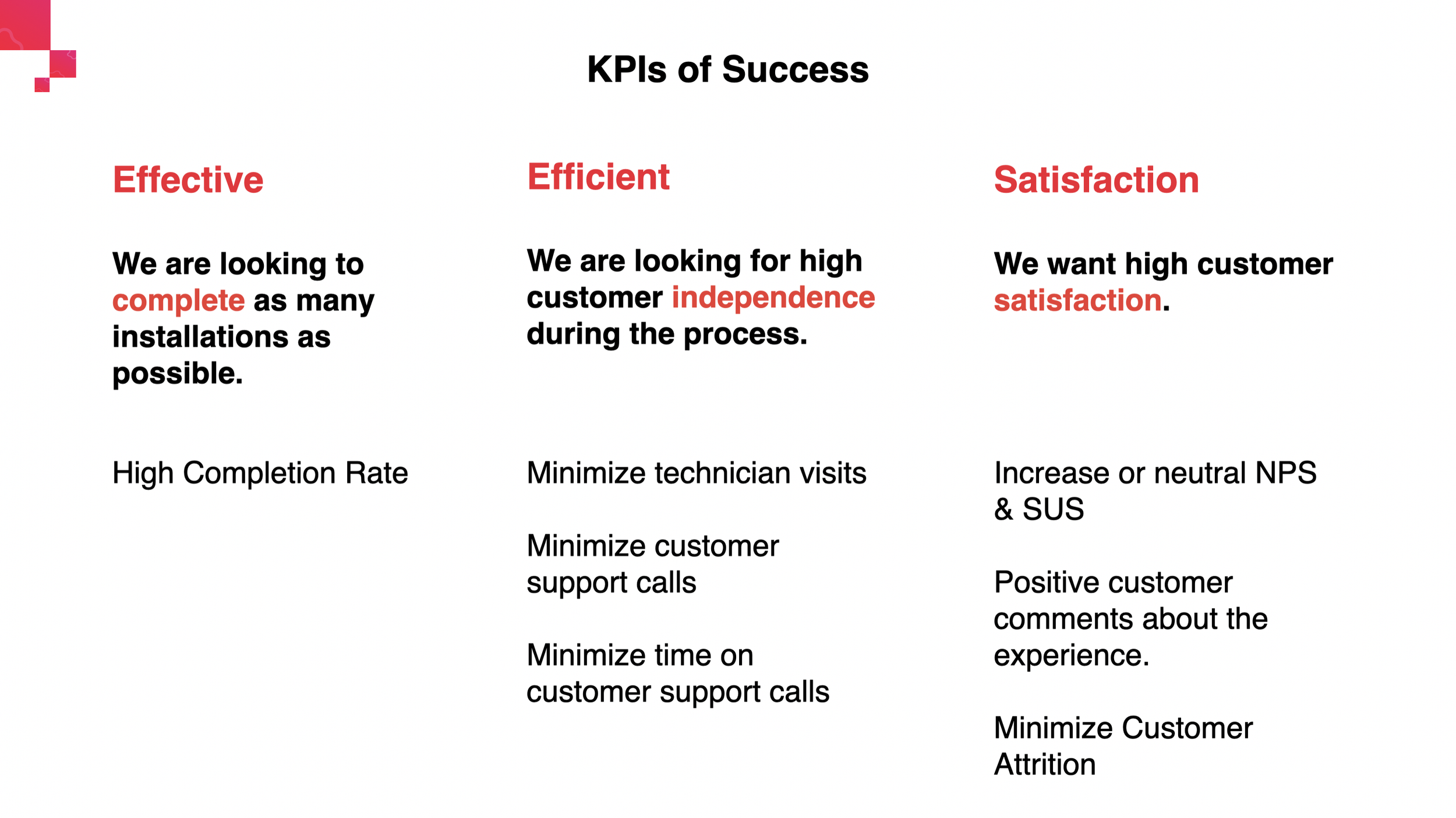
Proposed KPIs of a successful experience based on the ISO definition of usability.
This was one of the first Design-led strategic initiatives at Verisure. We needed to ensure the customer was at the center of the experience. The best way to do that at Verisure, was the align the business outcomes to the experience outcomes.
I proposed and aligned the project around the ISO definition of Usability (effectiveness, efficiency, and satisfaction), ensuring experience-based KPIs were included in the definition of success.
2. Built empathy and alignment
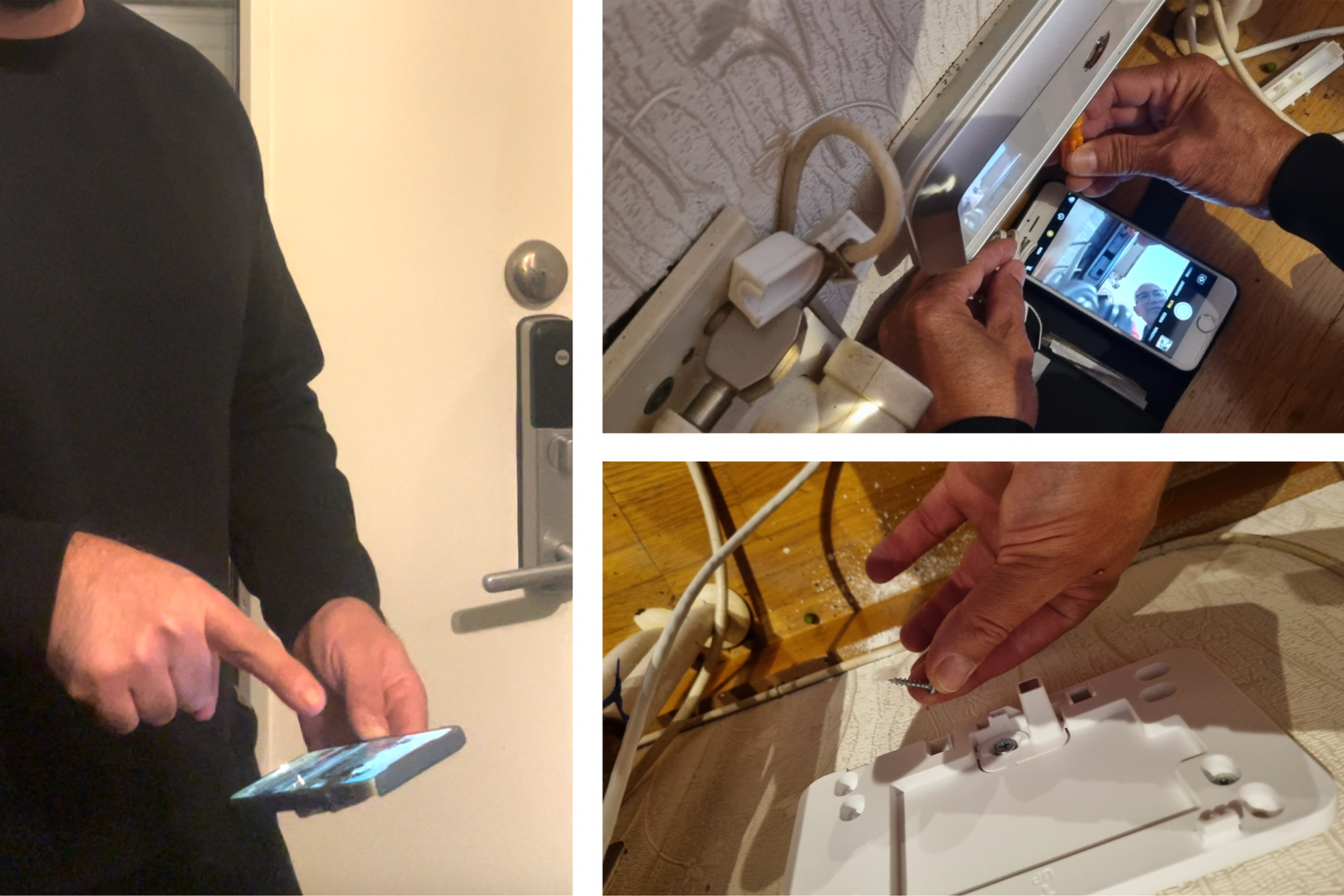
Collection of images from the initial 2G research.
Initial Discovery Research
I commissioned expert interviews and in-home customer research to ensure we understood the problems to solve. The research uncovered several unknowns about the experience.
For example, no one had anticipated that customers were very likely to either not know which product the Central Unit was that needed to be replaced, mistook it for the main keypad at the front door, or had no idea where in the house the professional technician had put it. The first challenges were educating our customers on what the Central Unit looks like and help them find it in their home. Without that, we would never get to a cost-saving completion rate.
Initial Alignment Workshop
Based on the findings from the research, the design team then hosted a large, cross-functional workshop to build empathy and unite the team around solving key customer pain points.
The most impactful moment of the workshop was when the designers asked our colleagues to do as our customers will have to do and replace the Central Unit. The colleagues from mechanical engineering had prepared by mounting a central unit to a piece of plywood - at chest height. However, our designers pointed out that was not how they are actually mounted in real customer homes. For security reasons, the Central Units are typically mounted close to the floor, close to an outlet, and usually in a hidden spot, like a closet.
Our design members made the project team relocate the prototype to a more typical environment, and then asked our colleagues to replace the device, as our customers will have to do. Everyone witnessed the physical difficulties of having to handle the product so close to the floor, and the resulting easier frustration that built with each step that wasn’t completely smooth.
The project team gained immense empathy and insights about our customer’s experience. Furthermore, this workshop solidified the trust in the design team’s approach and claims that the success of this strategic initiative depend on a great user experience.
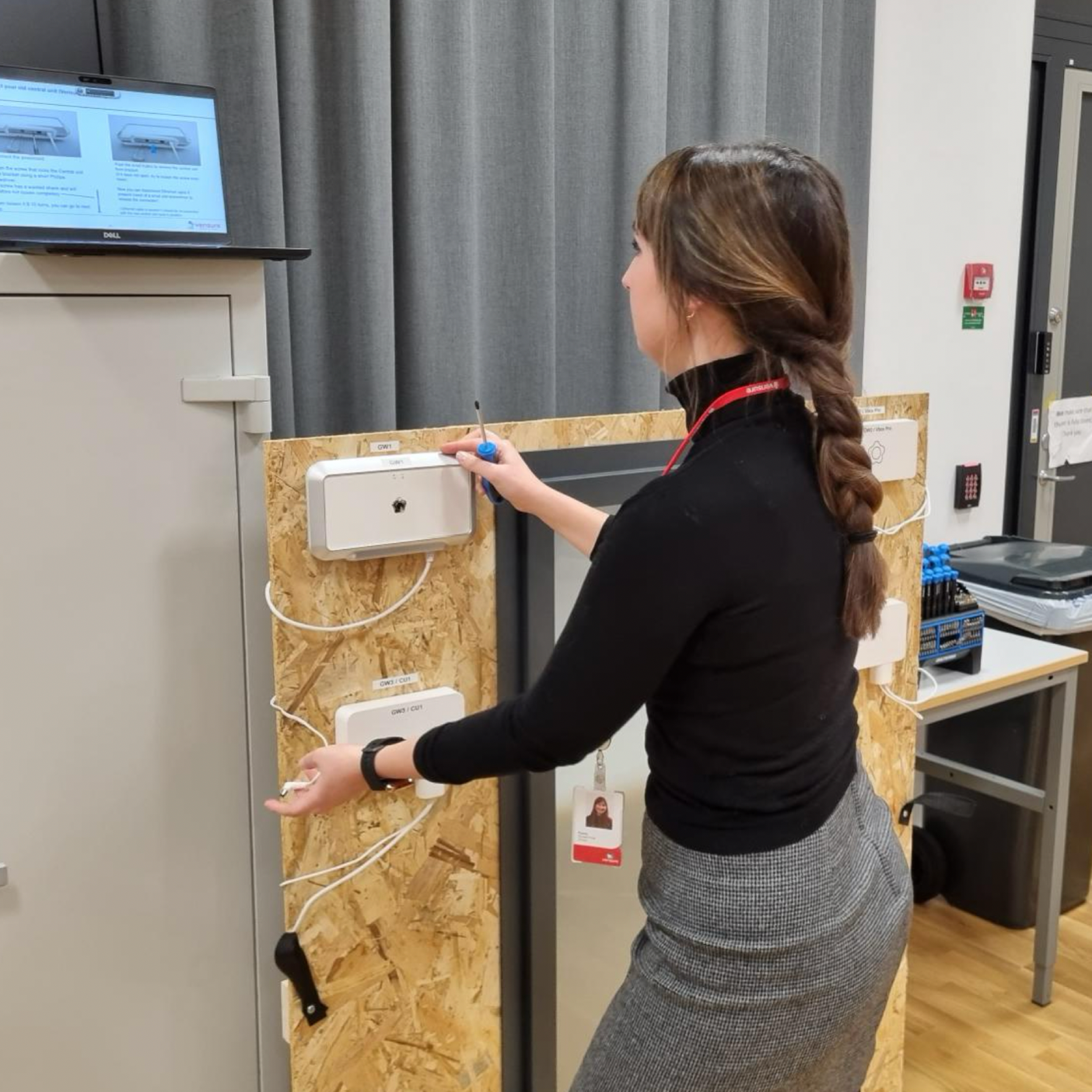
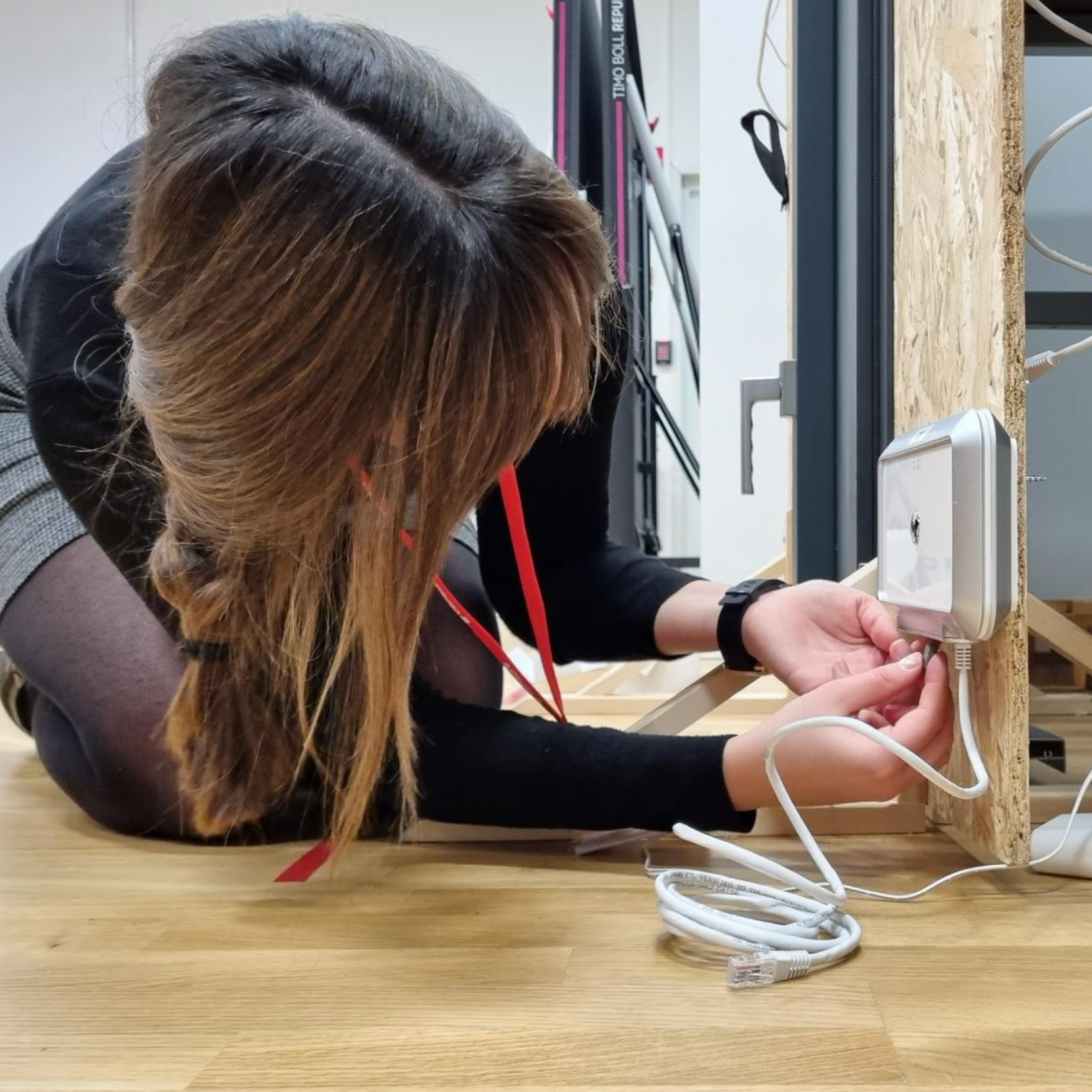
Workshop participants started the day assuming the devices are mounted to the wall at chest height. However, the Design team revealed the real user experience is that the units are currently mounted close to the floor. This means that the replacement experience for customers will involve crouching low to the ground - not easy for many of our older customers.
3. Empowered the team with a strategic framework
After the very successful workshop, the entire project team adopted a living user journey map as a shared framework. It was used throughout the project to make holistic decisions and understand the downstream consequences of each choice.
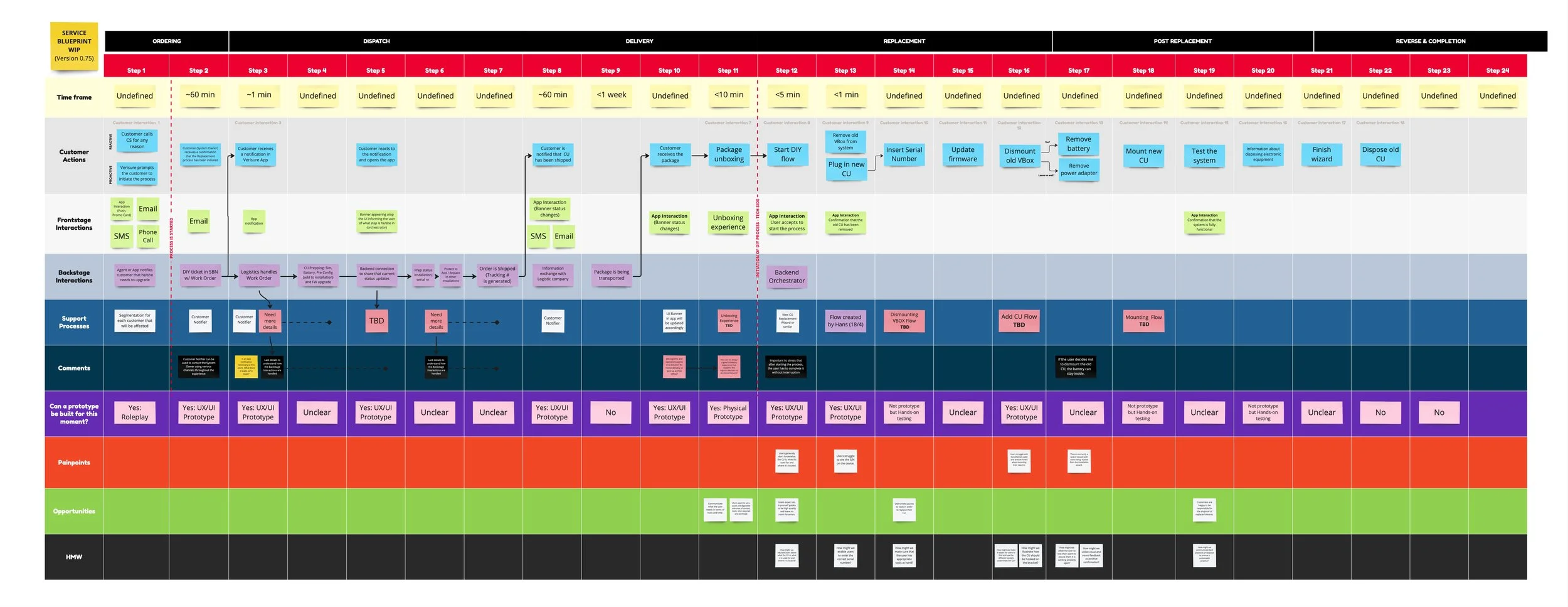
An early version of the user journey that became a shared reference point for the cross functional team.
4. Systemic approach to get a holistic experience
The discovery phase identified several opportunities to make this a success, including:
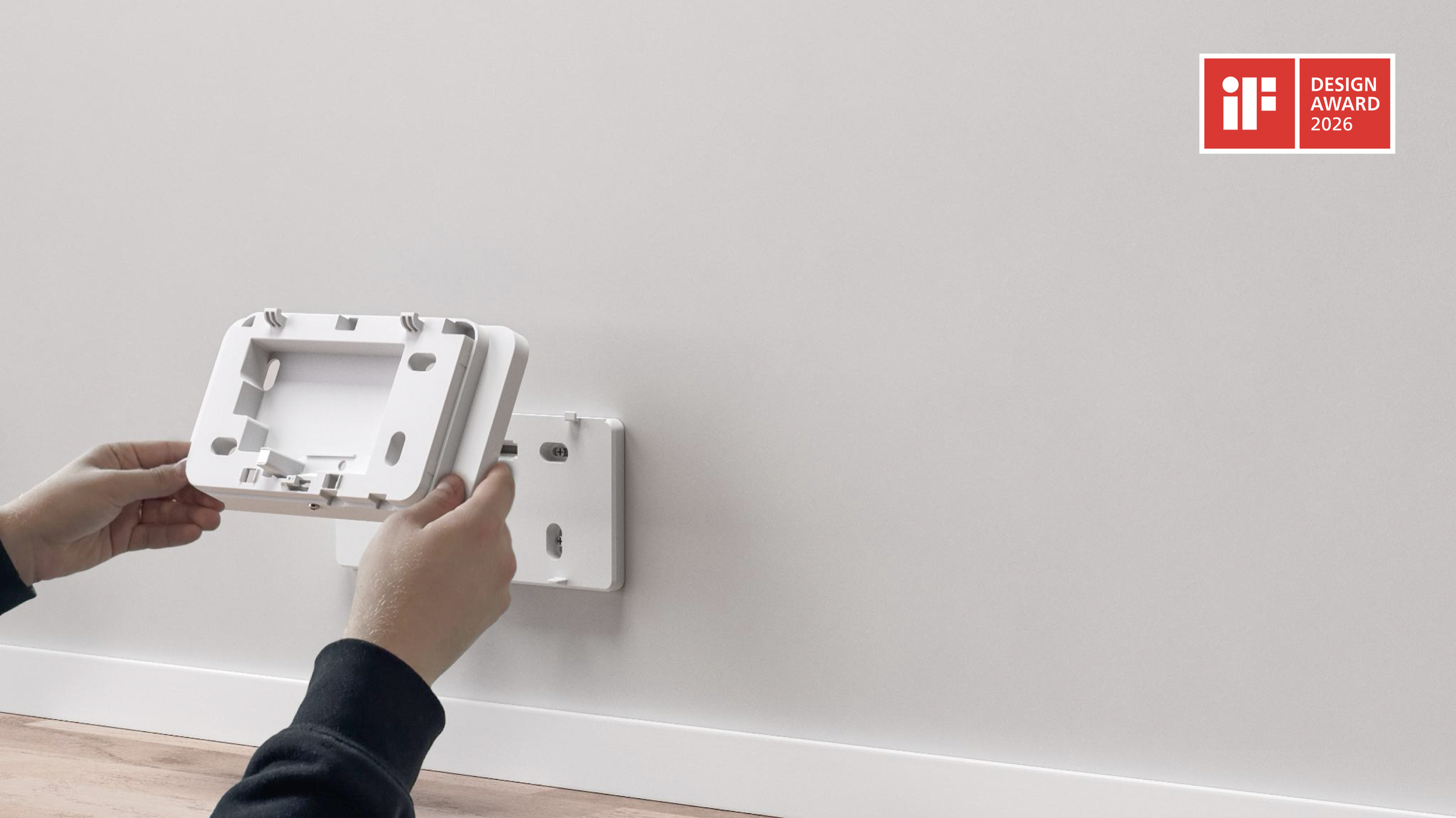
Tools and hardware to assist the dismounting and remounting process
A DIY process manager (Orchestrator) so people can follow along
An engaging digital wizard that guides them all the way to the end.
Clear and concise leaflet instructions in the box
Clean and simple packaging design that contains everything needed
Clear and simple disposal plans
Efficient and early awareness
I helped the team to break this down into several challenges in the form of design briefs. The team was then able to tackled each problem, one at a time. They explored solutions as a cross functional team, not just a design team. I stayed close to the daily work and design craft with regular scope and planning reviews, design critiques sessions, and coaching, while ensuring the team members were empowered and accountable for their respective work.
For each pain point, I coached the team to present each solution options framed by their impact on our KPIs. This helped to communicate progress to executives, and prioritize the challenges to solve and the solutions to invest more time into.
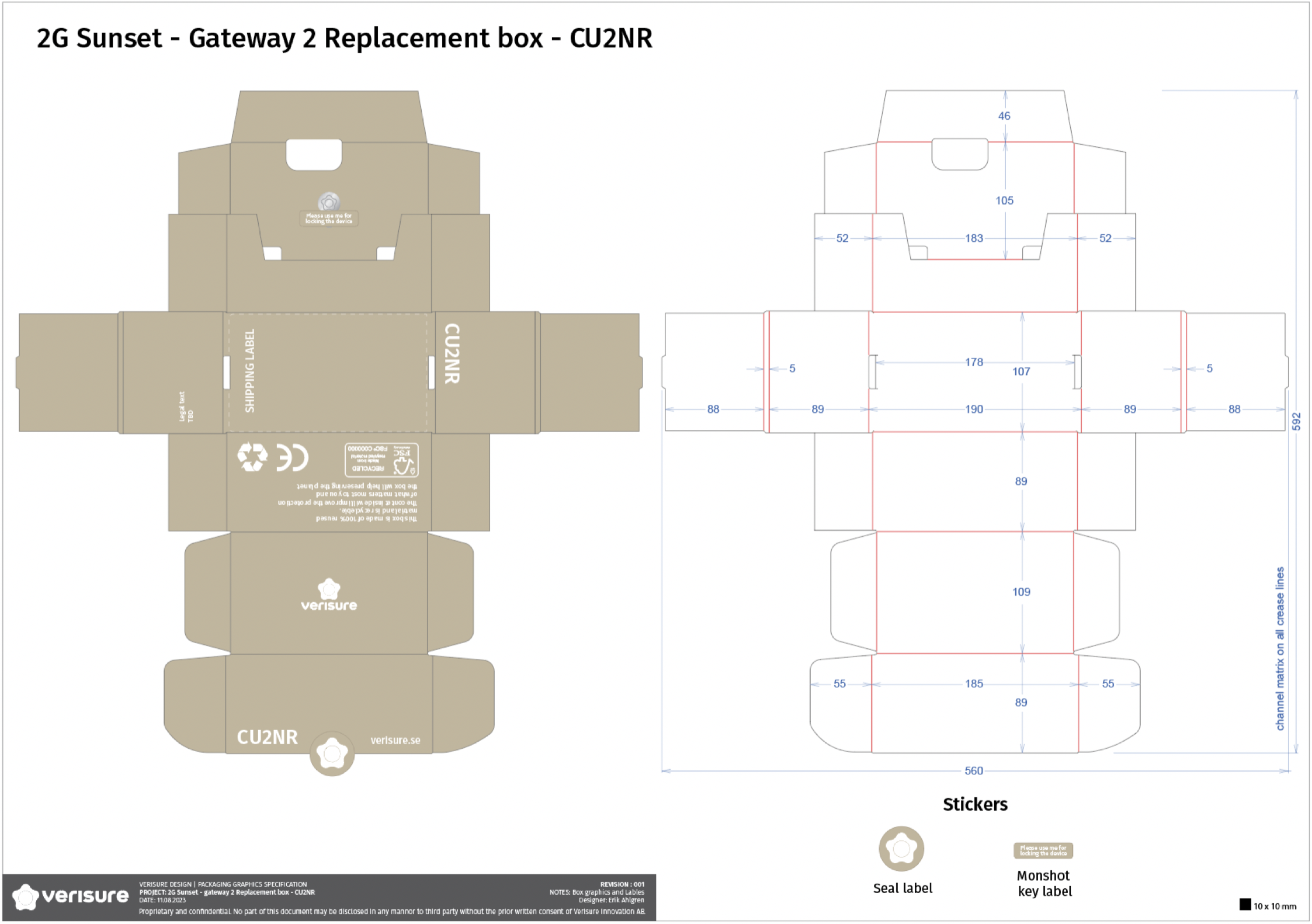
Specifications for the packaging
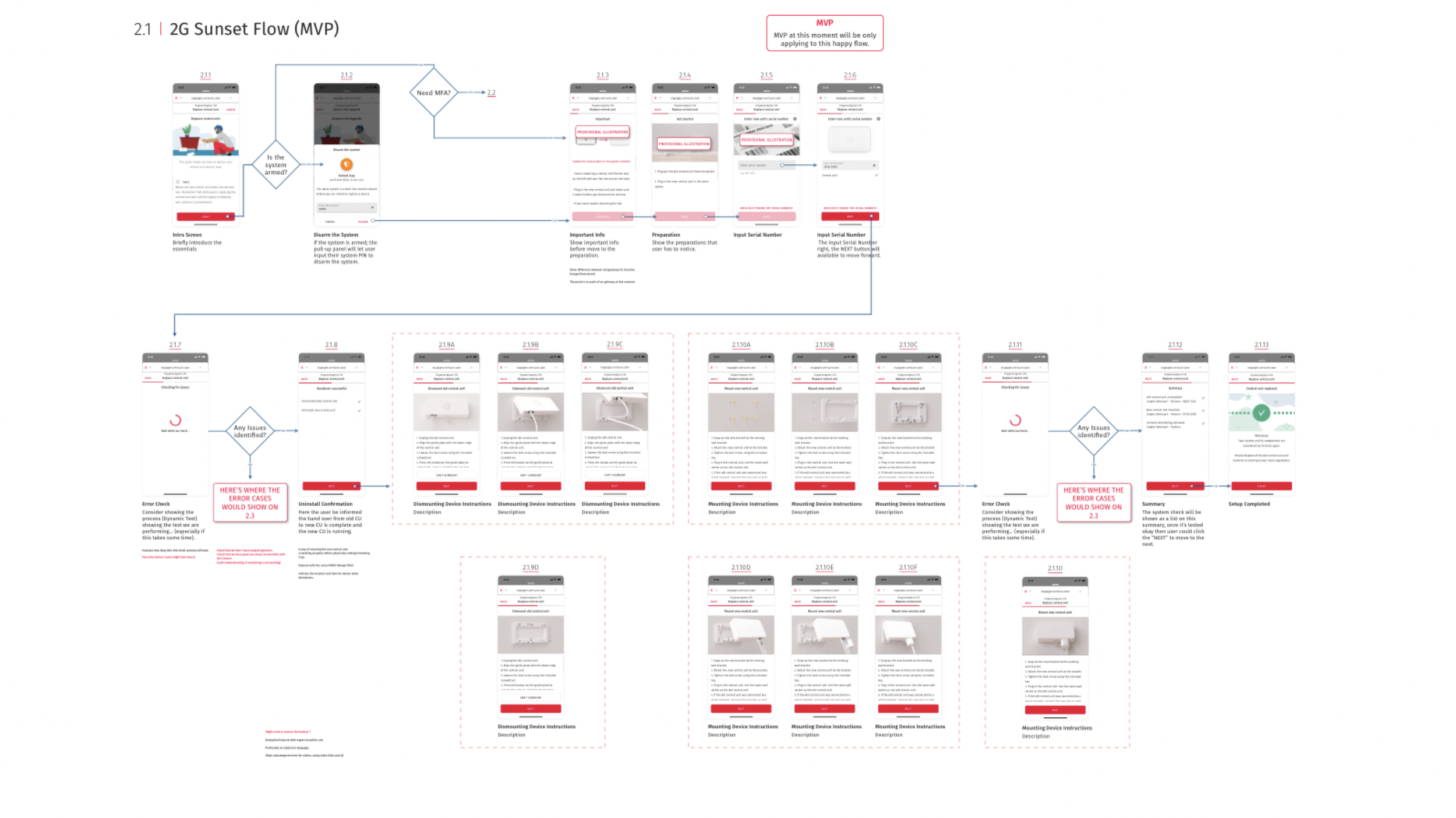
Specifications for the in-app wizard.
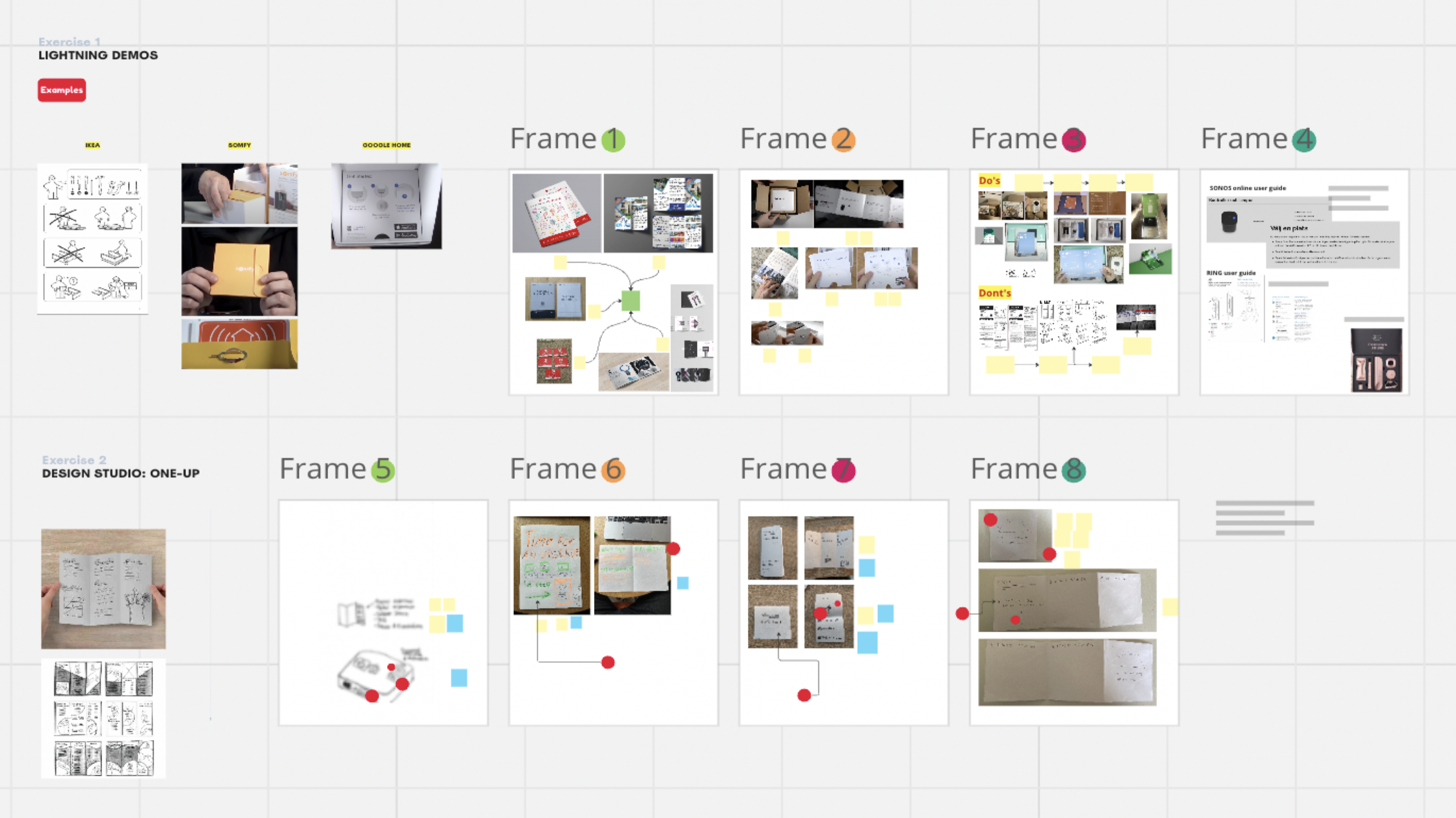
Exploring concepts for the leaflet to be included in the package.
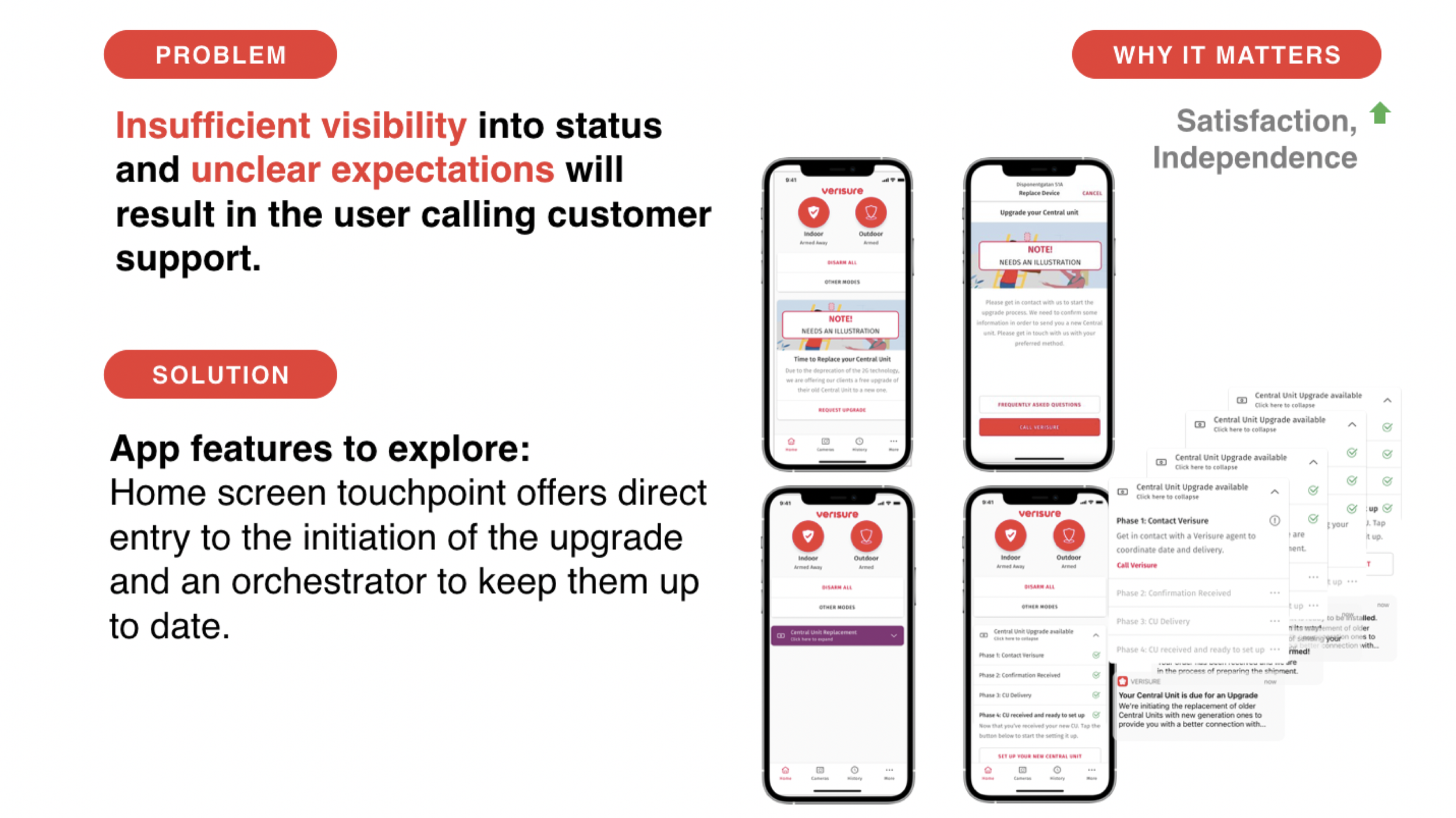
An example of framing the Orchestra opportunity in terms of the KPIs
Iterative Testing with Customers
As a part of using the new (to Verisure) Design-led approach for this project, the solutions were iteratively tested with customers, sometimes as isolated solutions, and sometimes as the end-to-end journey.
The team conducted 5 rounds of research from discovery to pilots over 8 months. Each round of research required convincing both executives and the project team of the value it would bring. And each round of research revealed critical insights that were invaluable to the success of this initiative and beyond.
The collective concept
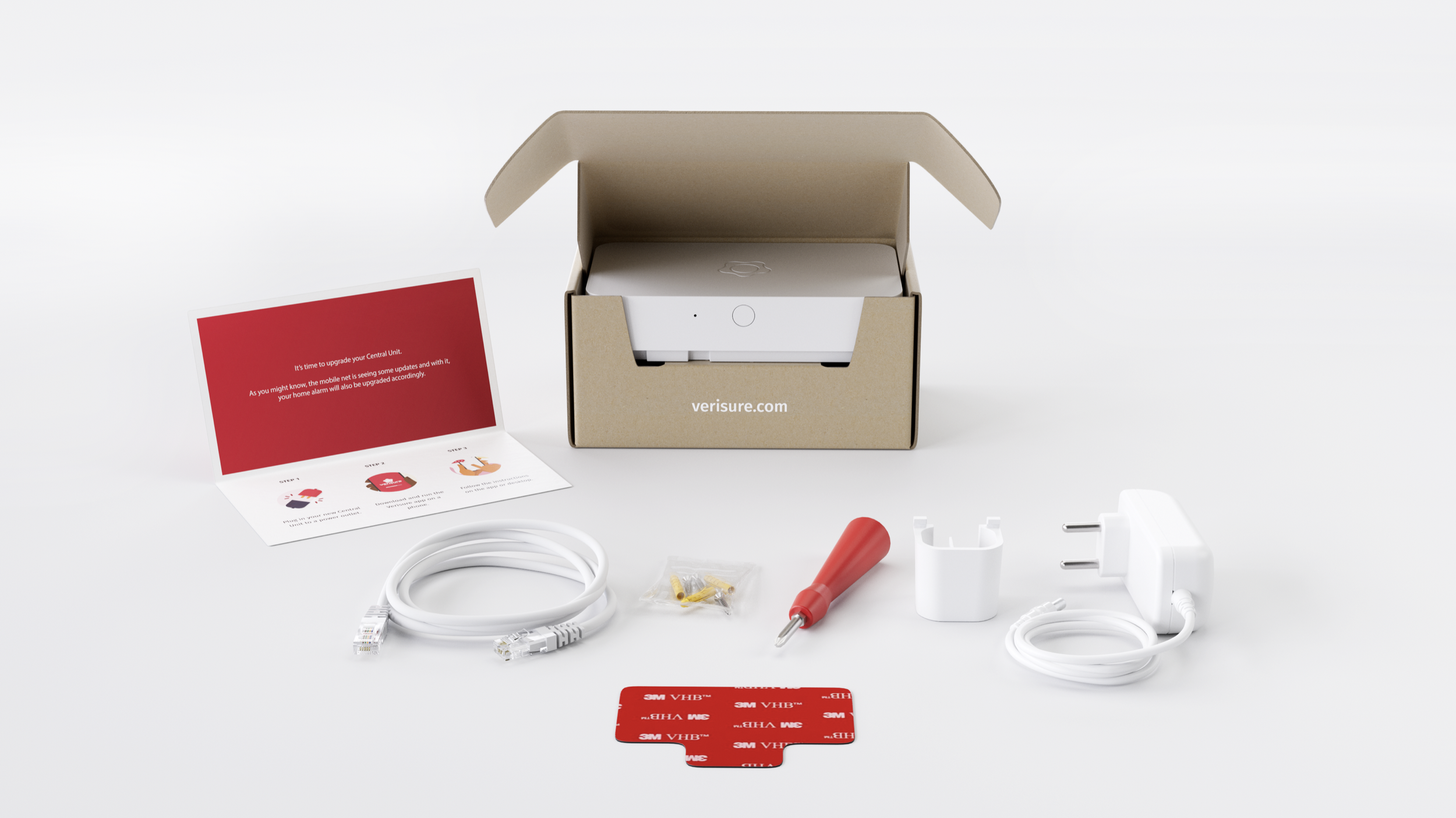
Concept for what to include in the box including the packaging, the leaflet, the custom tools to dismounting the old Central Units, and all the necessary new components of the new Central Unit.
The Outcome
The strategic, experience-led approach proved to be a resounding success, setting a new benchmark for cross-functional collaboration, design practices, and business impact.
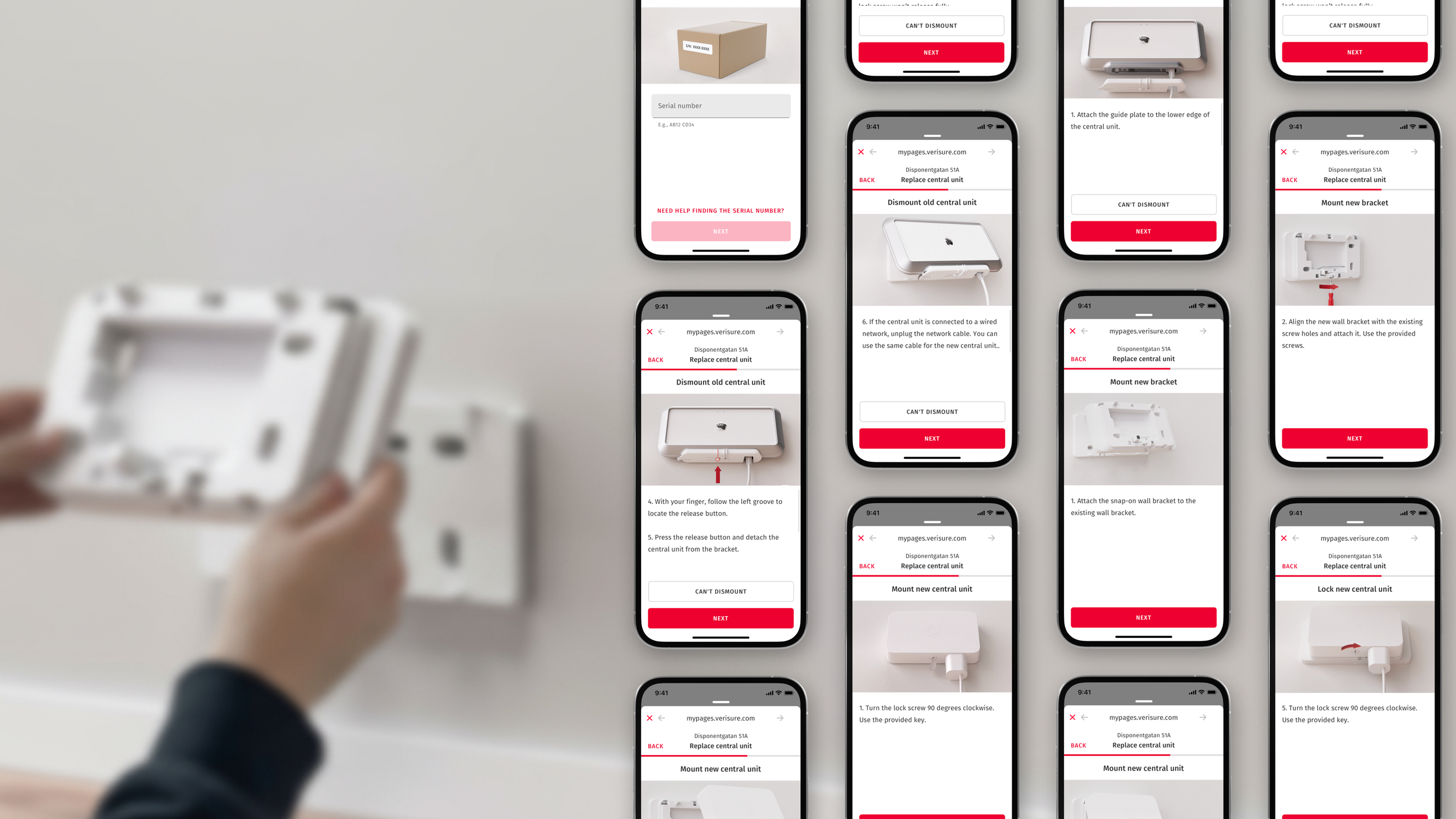
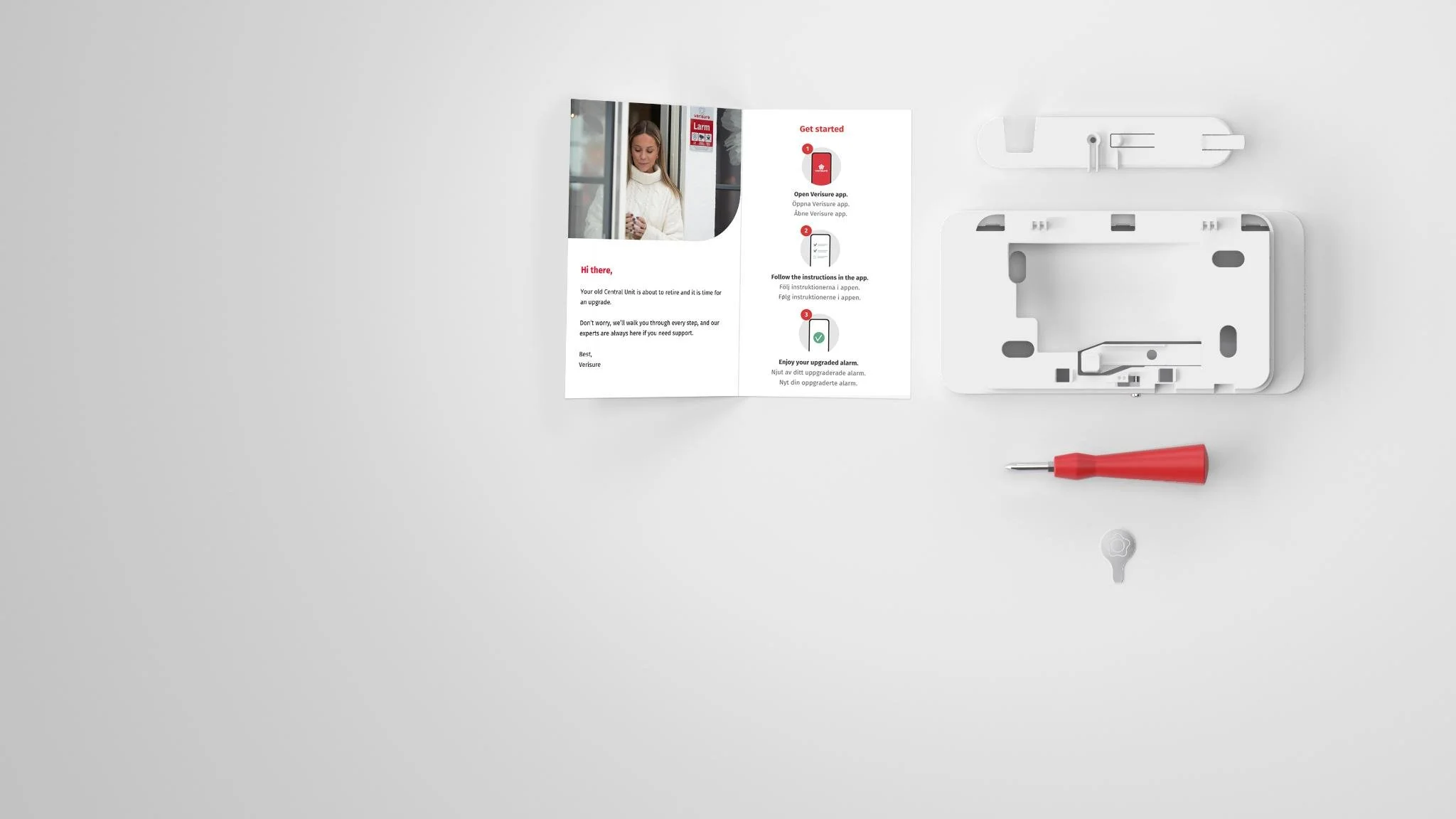
Unprecedented Success Rate
We achieved a 94% DIY completion rate during the pilots. Previous DIY solutions were achieving 40-60% completion rates. This far exceeded expectations and demonstrated the value of a user-centric approach.
A Fantastic User Experience
The pilot resulted in a 6.4/7 customer satisfaction score, and a 1.2-point increase in NPS, reversing the negative trends of past DIY initiatives. Pilot user comments focused on simplicity, thoughtfulness, and innovation.
Massive Financial Impact
The extremely high completion rate not only saved an estimated €45M in technician visits but also prevented significant additional costs for customer support. We demonstrated that a better user experience is not a cost centre, but a significant source of business value.
International Design Award
This work received recognition from the international design community with a 2026 iF Design Award.